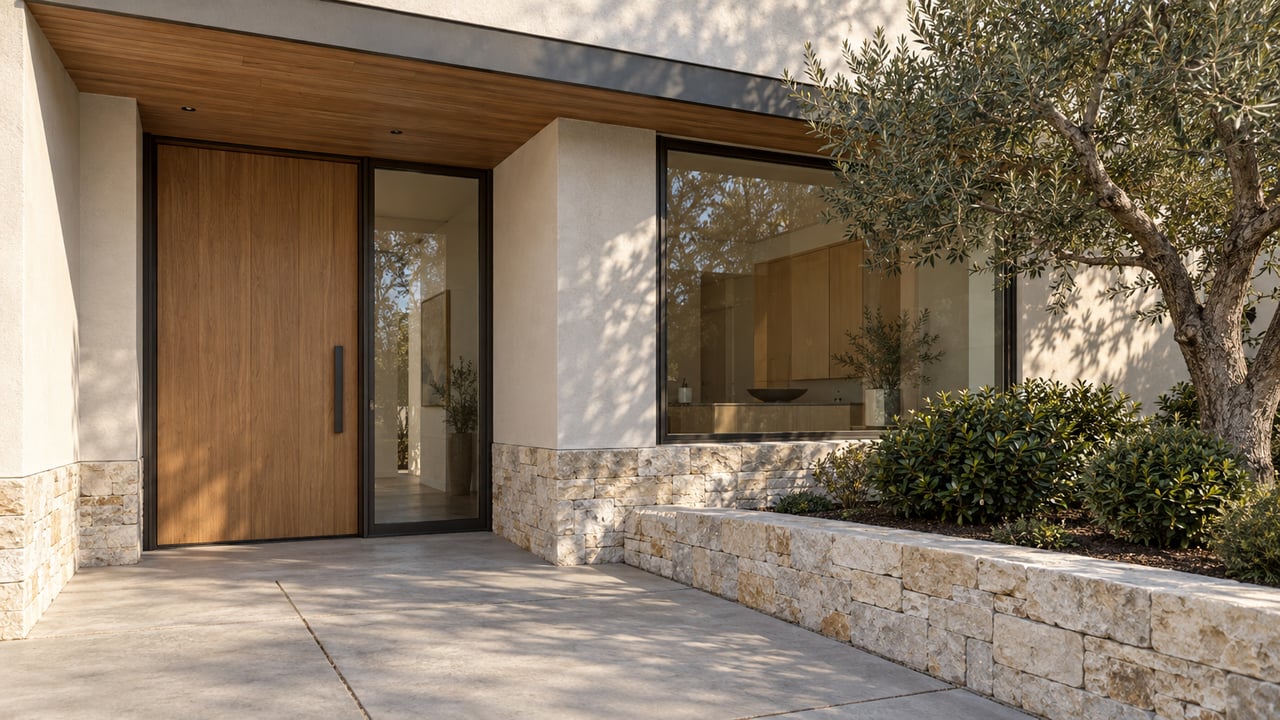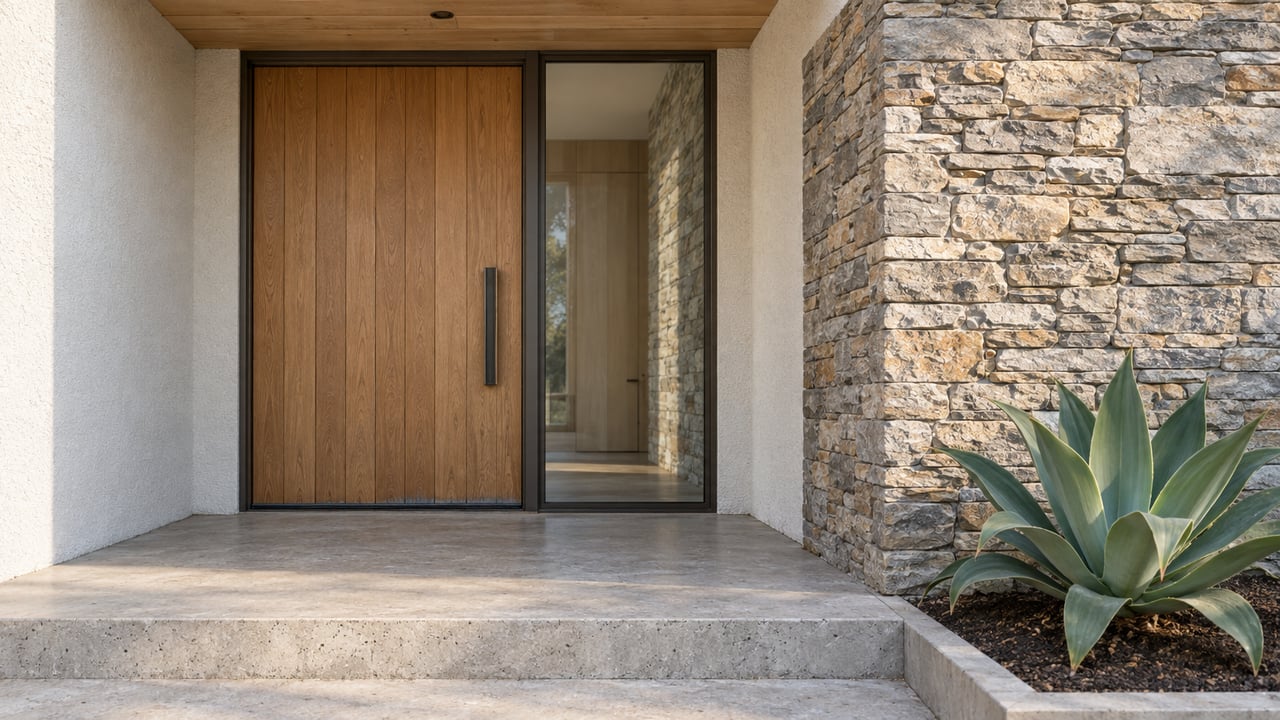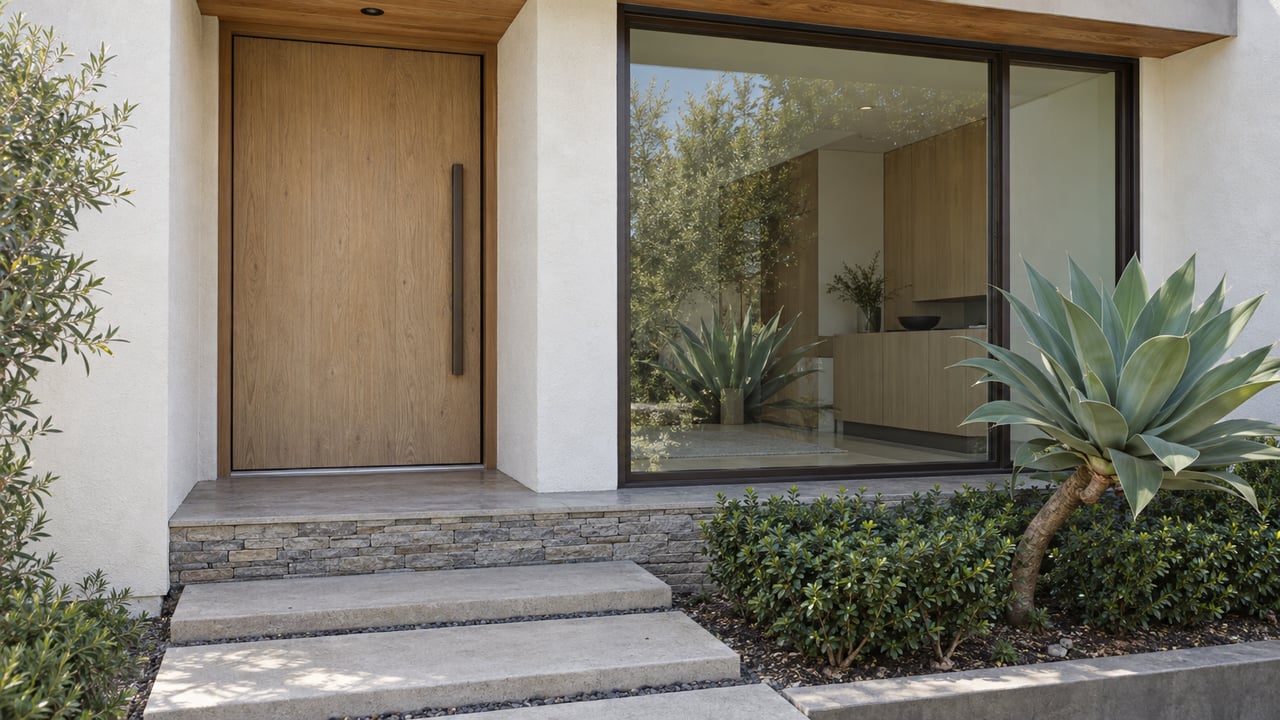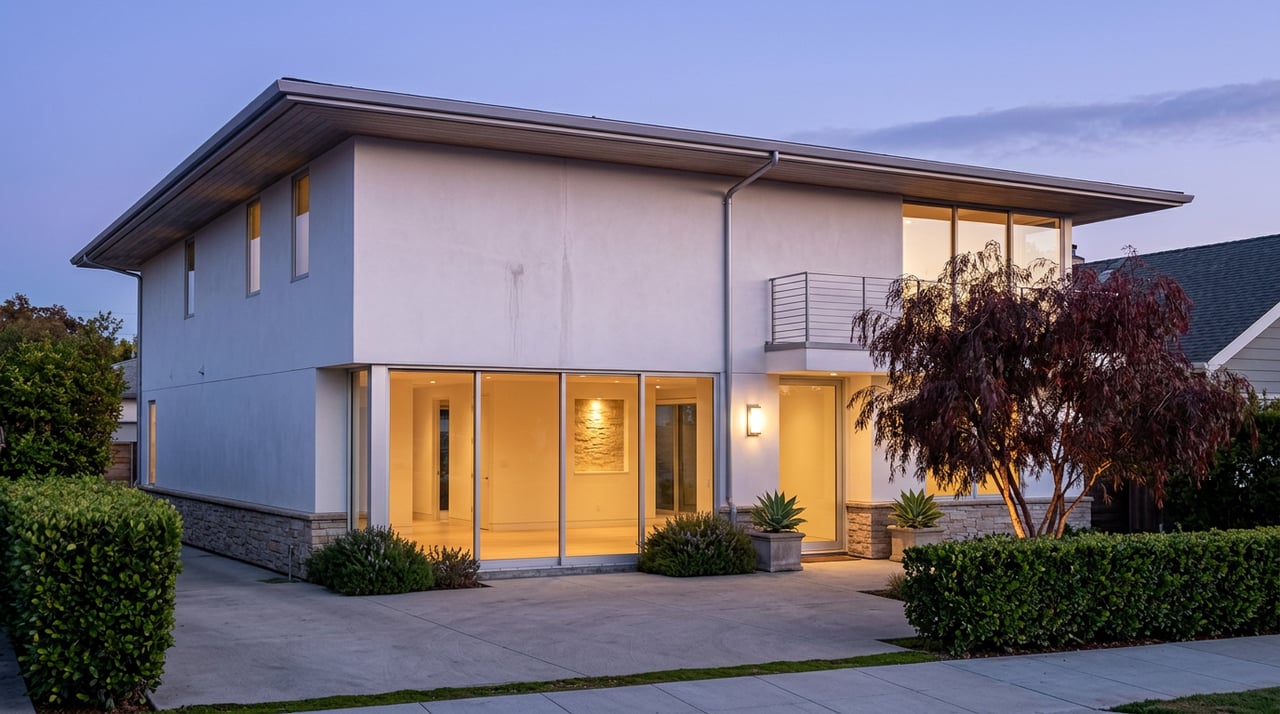
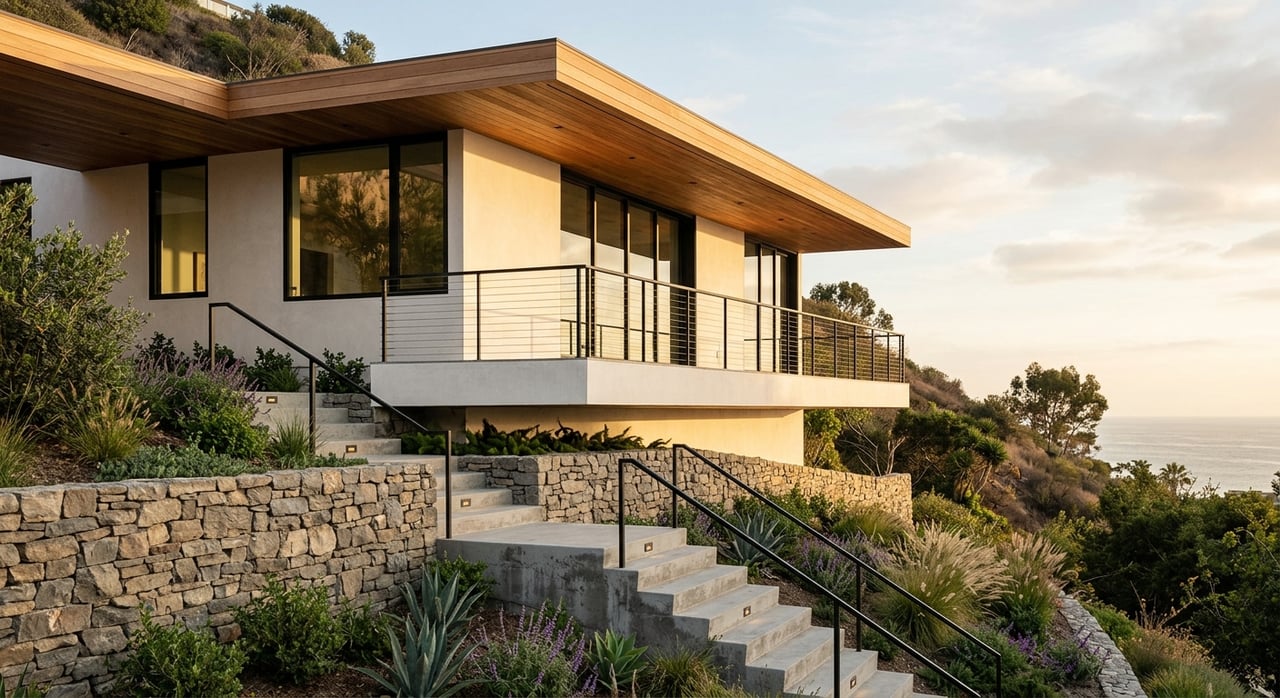
Wondering how far you can take a remodel in Temple Hills without losing what makes the neighborhood feel like Temple Hills? That is a smart question, especially in Laguna Beach, where hillside design, view sensitivity, and project timing can all shape your next move. Whether you are updating a home to enjoy it longer or weighing improvements before a sale, this guide will help you think through character, approvals, and strategy with clearer expectations. Let’s dive in.
Why Temple Hills Feels Distinct
Temple Hills is not a flat, plug-and-play neighborhood where the same remodel formula works on every lot. City materials describe the area as a hillside setting with mature plantings that blend into the landscape, and Laguna Beach design guidance ties neighborhood character to development patterns, height, mass, scale, landscaping themes, and architectural style.
That matters because a successful remodel here usually does more than upgrade finishes. It responds to slope, preserves the visual rhythm of the street, and respects the natural setting that gives the area its identity.
Start With Context, Not Just Plans
Before you sketch out a bigger kitchen, new deck, or expanded upper level, it helps to look at your property the way the city is likely to. In Laguna Beach, residential changes are often reviewed through the city’s own design standards under the Local Coastal Program, and many projects require discretionary approval before structural drawings are even submitted.
In practical terms, that means your remodel timeline may depend as much on review and entitlement as on construction. If you are also thinking about selling, that timing can affect whether a major project makes sense now or whether a lighter-touch approach may protect your schedule and flexibility.
Key Temple Hills Remodel Priorities
Keep Massing Low-Profile
City guidance for hillside areas favors homes that sit comfortably on the site instead of dominating it. Remodels that stay lower-profile at the street and avoid bulky additions are generally more consistent with that direction.
The design guidelines also favor one- and two-story elements, varied wall heights, and offset wall planes. Those moves help reduce apparent bulk and make a home feel more in scale with a hillside setting.
Follow the Slope
On hillside lots, Laguna Beach emphasizes using the existing terrain and minimizing grading. Natural features such as heritage trees, ridgelines, rock outcroppings, and significant watercourses are expected to be protected where applicable.
That means the best remodel strategy is often one that works with the lot instead of forcing a dramatic regrade. Terraced design, stepped forms, and smaller volumes can often fit the site more naturally than a single large expansion.
Break Up Visual Bulk
The city’s hillside design guidance specifically encourages reducing building and retaining-wall mass through offsets, separation, terracing, and dividing a project into smaller volumes. In a neighborhood like Temple Hills, that can make a big difference in how a remodel is perceived from the street and nearby properties.
Open-space features can help as well. Courtyards, terraces, and decks are encouraged when they break up apparent mass and add privacy and visual interest.
Match the Home’s Style
Laguna Beach’s design guidelines stress consistency with the architectural style of the house. Materials, roof forms, windows, doors, and details should work together so the remodel feels harmonious with what remains.
If your home has older or distinctive architectural features, that point becomes even more important. A remodel that feels abrupt or overly generic may be less aligned with the city’s broader goal of protecting the character of older neighborhoods and unique architectural traditions.
Landscaping Is Part of the Character
In Temple Hills, landscaping is not just decoration around the structure. Mature planting, scenic hillside conditions, and the natural setting all contribute to the neighborhood’s feel, so site design should be treated as part of the architecture.
City materials emphasize preserving the scenic setting and using native or natural materials that blend with the site. Over-clearing or replacing the landscape with something too hard-edged can feel less compatible with the context the city is trying to maintain.
Think Carefully About Trees and Views
Laguna Beach reinforces the value of significant trees through its heritage tree program. If your property has mature trees or notable landscape elements, they may be part of what gives the home and street their established character.
Views add another layer. The city handles vegetation-related view matters through View Preservation, while structures are reviewed through design review, so landscape work and structural changes may follow different paths. If your remodel plan affects sightlines, privacy, or vegetation in a visible way, it is wise to think about those issues early.
Use Materials That Recede
In view-sensitive hillside areas, the city prefers transparent railings where feasible and discourages reflective materials. That may sound like a small detail, but it can strongly influence whether a remodel feels quiet and site-sensitive or visually loud.
For many Temple Hills homes, the strongest design approach is often restraint. Materials and details that blend with the home’s style and hillside setting usually age better than trend-driven choices that fight the site.
Historic Questions Can Change the Process
Not every older Temple Hills home is formally historic, but some properties may still raise preservation questions. Laguna Beach’s historic preservation framework is meant to protect buildings that contribute to older neighborhoods and distinctive architectural traditions.
If your house may have historic significance, the city recommends contacting Planning and Zoning before demolition or alteration. Depending on the property and the scope of work, a project may involve environmental review, a historical report, and Heritage Committee review.
What This Means for Design Choices
For homes with historic character, the city guidelines go further than general compatibility. They recommend retaining or repairing original siding, roof form, eaves, porch elements, and garages where possible, with in-kind replacement preferred when replacement is unavoidable.
Even if your home is not on a register, this guidance points to a larger Temple Hills principle. Remodels tend to fit better when they build on what is already there instead of erasing it.
Wildfire Readiness Should Be Part of the Plan
Temple Hills is also part of a formal Laguna Beach evacuation management zone. The city’s published map for LAB18 identifies Temple Hills Drive, Thalia, and Cress Street as evacuation routes, which makes wildfire readiness a real planning factor for the neighborhood.
Laguna Beach also identifies wildfire risk as a major public-safety issue, noting that 87% of the city’s land area and about 65% of its buildable property are in Very High Fire Hazard Severity Zones. State law requires defensible space around homes in those zones.
Remodel Timing and Fire Compliance
For many properties, wildfire-related landscape and hardening requirements can affect the remodel schedule. The city states that new construction and major remodels in the FM Zone must comply with the 2019 Landscape/Fuel Modification Standards and Maintenance Program, with Building Division review and inspection for single-family homes, duplexes, and ADUs.
If you are planning a major project, this is one more reason not to assume a fast turnaround. Fire-related review may need to be accounted for alongside design and planning approvals.
Should You Remodel Before Selling?
If a sale may be on the horizon, the right answer is not always a full renovation. In Temple Hills, where design review, hillside constraints, views, and wildfire standards can all affect timing, a deep remodel can bring more moving parts than many sellers initially expect.
That does not mean you should do nothing. It means the smartest pre-sale improvements are often the ones that improve presentation without changing massing, view corridors, or permit complexity.
Lower-Complexity Pre-Sale Updates
If your goal is to prepare a home for market without taking on a long approval path, these types of improvements are often easier to phase:
- Routine landscape cleanup
- Sightline trimming where appropriate
- Exterior repairs
- Small finish refreshes
- Presentation-focused improvements that do not expand the structure
These kinds of updates are generally more aligned with a faster go-to-market strategy than a major addition or reconfiguration.
When a Larger Remodel May Still Make Sense
A deeper renovation can still be the right move if you plan to stay, if the home has clear upside after completion, or if you have the time to work through approvals. The key is to weigh more than construction cost.
In Temple Hills, entitlement timing, hillside design fit, and fire-related review are all part of the value equation. For many owners, that is where a local, strategy-first conversation becomes especially useful.
A Smarter Way to Plan the Next Step
If you own in Temple Hills, the best remodel decisions usually start with the property’s context, not just your wishlist. The city’s guidance points toward homes that feel site-sensitive, scaled to the hillside, visually restrained, and consistent with the architecture and landscape around them.
If you are deciding between remodeling, making targeted pre-sale improvements, or selling as-is, it helps to evaluate the likely approval path and timeline before committing money to plans. That kind of early strategy can protect both your budget and your leverage.
For owners in Laguna Beach, we often find that the most valuable first step is not rushing into construction. It is figuring out which path best supports your timeline, your property, and your financial outcome. If you want help thinking through that decision, the Carter Kaufman Team can help you evaluate your options with a local, market-smart approach.
FAQs
What makes a remodel fit Temple Hills character in Laguna Beach?
- A remodel generally fits Temple Hills best when it stays low-profile, follows the slope, minimizes grading, respects mature landscaping, and remains consistent with the home’s architectural style.
Do Laguna Beach remodels in Temple Hills usually need design review?
- Many residential projects in Laguna Beach require discretionary approval before structural drawings are submitted, so design review and early zoning and planning review can be an important part of the schedule.
How does hillside design affect a Temple Hills remodel?
- Laguna Beach’s hillside guidance emphasizes protecting natural features, reducing visible mass, minimizing grading, and using design elements like terracing, offsets, and smaller volumes to fit the site.
Can landscaping affect a Temple Hills remodeling plan?
- Yes. In Temple Hills, mature landscaping and scenic site conditions are part of neighborhood character, and view-related vegetation issues may be handled separately from structural design review.
Should you do a major remodel before listing a Temple Hills home for sale?
- Not always. If timing matters, smaller presentation-focused updates are often more practical than a major expansion, especially when approvals, hillside constraints, and wildfire-related requirements could extend the timeline.
How does wildfire planning affect Temple Hills properties in Laguna Beach?
- Temple Hills is in a formal evacuation management zone, and major remodels in applicable fire-related zones may need to comply with the city’s fuel modification and landscape standards as part of the review process.