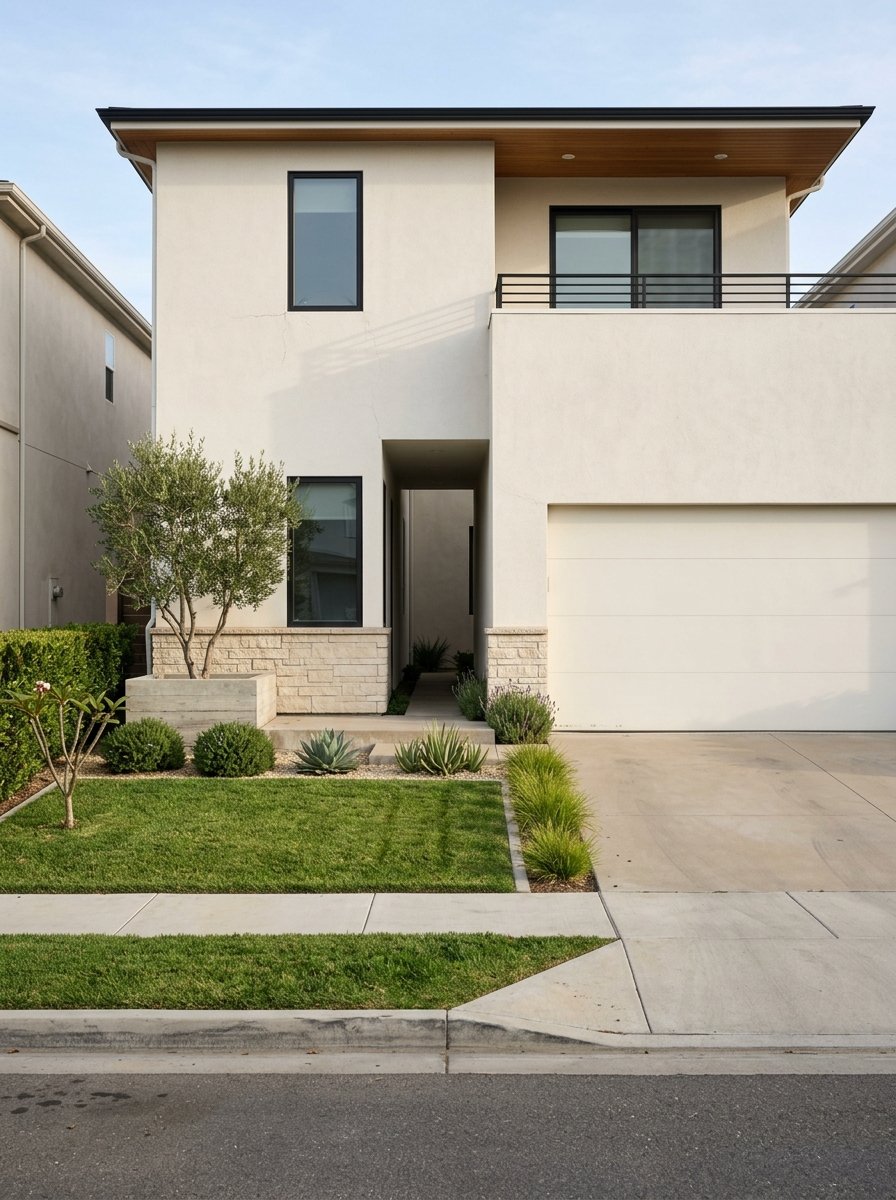
If you shop East Side Costa Mesa as if it were one uniform neighborhood, you can miss what really drives day-to-day fit. A home a few blocks closer to East 17th Street, Newport Boulevard, a neighborhood park, or the bay side of Eastside can feel meaningfully different once you live there. This guide will help you compare Eastside at a more practical, street-level scale so you can narrow your search with more confidence. Let’s dive in.
Why micro-locations matter in Eastside
Eastside is best understood as a collection of small sub-markets, not one single experience. The City of Costa Mesa describes East 17th Street east of Newport Boulevard as a successful commercial and restaurant hub, while Newport Boulevard is described as a mixed commercial corridor with nearby residential communities.
That matters because your experience can change block by block. Two homes with similar square footage and style may offer very different access, noise patterns, traffic influence, and expansion potential depending on where they sit.
Eastside also has a varied housing mix. Local housing in the area includes single-family homes along with apartment and condo product, and much of the housing stock dates from roughly the 1940s through the 1960s, with many midcentury ranch-style homes still shaping the neighborhood character.
The four Eastside buyer zones
A helpful way to compare Eastside is to look at each home through four micro-location lenses. This approach turns a broad neighborhood search into a more focused strategy.
Near East 17th Street
If daily convenience is high on your list, blocks closest to East 17th Street often stand out first. The City identifies this corridor as a commercial and restaurant hub, and it is one of the clearest anchors for errands, dining, and everyday stops.
For some buyers, that proximity is the lifestyle. You may appreciate shorter trips for coffee, groceries, and casual meals, especially if you want more of your routine close to home.
The tradeoff is simple. When you buy closer to an active commercial spine, you should evaluate the block itself carefully instead of assuming every nearby street feels the same.
Near Newport Boulevard
Homes near Newport Boulevard can appeal if you want strong arterial access. The City describes Newport Boulevard as a commercial corridor with mixed uses, including older motels on small lots near SR-55, with residential communities nearby.
That means convenience can come with a more mixed-use setting. If fast access in and out of the neighborhood matters to you, this edge may deserve a closer look, but you should compare it directly with interior blocks before deciding.
This is one of the clearest examples of why Eastside rewards a street-by-street approach. A home near Newport Boulevard may solve one priority while asking you to compromise on another.
Interior residential blocks
Interior blocks generally appeal to buyers looking for a more residential feel. This is not a formal city designation, but it is a practical way to think about homes that sit farther from East 17th Street and Newport Boulevard.
As you move away from the two main corridors, the neighborhood can read differently from the street. If your goal is to prioritize a more residential setting over immediate corridor access, these blocks often become the center of your search.
For many buyers, this is where Eastside becomes easier to compare. Instead of starting with broad neighborhood labels, you start asking which interior streets best match your daily routine and property goals.
Park- and bay-oriented pockets
Some Eastside buyers care most about access to outdoor space. In that case, homes near neighborhood parks or toward the Upper Newport Bay side of the area may deserve extra attention.
Costa Mesa’s park listings place Heller Park at 257 E. 16th Street and Harper Park at 425 E. 18th Street within the Eastside street grid. The city also lists Lions Park and Marina View Park nearby, giving buyers multiple green-space reference points as they compare blocks.
If outdoor lifestyle is part of your purchase decision, the nearest park address can be more useful than a broad neighborhood description. A home that is only a short distance from green space may fit your routine better than one closer to shops and restaurants.
What to check beyond the map pin
A good Eastside purchase is not just about where the home sits. It is also about what the parcel allows and how the street functions in daily life.
Zoning can shape your options
Costa Mesa established multiple residential districts to provide a range of housing types. According to city materials, R1 is intended for single-family detached units on lots of at least 6,000 square feet, while R2-MD and R2-HD are multifamily districts with 12,000-square-foot minimum lot sizes. The city zoning legend also includes R3 multifamily.
For a buyer, this means you should not assume every Eastside property follows the same rules. Because Eastside is close to corridor and overlay activity, some properties may also be affected by specific plans or other planning tools beyond base zoning.
The city’s approved plans include both the East 17th Street Specific Plan and the Newport Boulevard Specific Plan. That is why zoning review should be part of your early screening process, not something you leave for later.
Lot size affects expansion potential
If you are thinking about future flexibility, lot dimensions matter as much as the house itself. Side-yard width, lot depth, and existing site coverage can all affect whether a property may better support an addition, detached studio, or other future use.
Costa Mesa allows ADUs and JADUs in residential districts. The city states that its ADU ordinance keeps a minimum size of 150 square feet, allows optional parking, and uses objective design standards that include second-floor and two-story setbacks.
That does not mean every lot will be equally workable. In Eastside, where housing ages and parcel conditions can vary, the physical layout of the lot can become one of the most important micro-location filters you use.
Older lots may perform differently
Not every property will offer the same path for expansion or redesign. Buyers should verify whether a home sits on a standard single-family lot or on a legal older lot that may create different constraints or opportunities.
This is especially important in a neighborhood with a mix of older housing stock and corridor-adjacent planning activity. A home that looks similar from the curb may offer a very different long-term play once you review the parcel details.
Parks, trails, and outdoor access
Eastside offers strong access to parks for an urban coastal neighborhood. If green space is part of how you define value, you may want to rank homes by park access before you rank them by retail convenience.
Heller Park and Harper Park are embedded in the Eastside grid, which gives some streets easier day-to-day access to open space. For buyers who want room for walks, fresh air, or a simpler daily routine outdoors, that can be a meaningful advantage.
Beyond the immediate neighborhood, Fairview Park is Costa Mesa’s largest park. The city says it includes 208 acres total, with 195 acres of natural open space, 13 acres of manicured landscape, and 7 miles of trails.
Upper Newport Bay is another major outdoor anchor for this area. OC Parks notes that the preserve includes 135 acres of bluff land, while the broader ecological reserve totals 752 acres, and the California Department of Fish and Wildlife states that the protected area supports activities such as hiking, biking on paved trails, kayaking, horseback riding, and birdwatching.
For some buyers, that access changes the search entirely. Instead of asking only how close a home is to restaurants or commute routes, you start asking how quickly you can reach trails, open space, and bay-oriented recreation.
Practical filters for Eastside buyers
Once you have identified the part of Eastside that fits your lifestyle, use a short checklist to compare homes more clearly.
Start with these verifications
- Confirm parcel zoning and lot area
- Check whether any specific plan or overlay rules apply
- Verify whether the home sits on a standard lot or an older legal lot
- Review lot depth, side yards, and site coverage if future expansion matters
- Check whether the street is in or near a residential permit parking area
Costa Mesa relaunched its citywide Residential Permit Parking Program in 2022. That makes parking rules another useful street-level filter, especially if you are comparing homes near more active corridors.
How to match Eastside to your goals
The core Eastside tradeoff is straightforward once you break it into micro-locations. Blocks near 17th Street usually maximize convenience, blocks near Newport Boulevard tend to maximize corridor access, interior blocks often prioritize a more residential feel, and park- or bay-oriented pockets can better support an outdoor lifestyle.
That is the kind of clarity you want before you start writing offers. When you know which tradeoff matters most to you, it becomes much easier to rule homes in or out without second-guessing every listing.
In a neighborhood with this much block-by-block variation, local pattern recognition matters. The right buying strategy is rarely about chasing a generic Eastside label. It is about matching a specific street, lot, and edge condition to the way you actually want to live.
If you want help comparing Eastside Costa Mesa street by street, the Carter Kaufman Team can help you evaluate fit, tradeoffs, and long-term potential with a sharper local lens.
FAQs
What does micro-location mean in East Side Costa Mesa?
- It means looking beyond the neighborhood name and comparing homes by their position near East 17th Street, Newport Boulevard, interior residential blocks, parks, or the bay side of Eastside.
Which part of Eastside Costa Mesa is best for walkable daily errands?
- Homes closest to East 17th Street generally offer the shortest access to shopping, restaurants, and other daily-use stops because the city identifies that corridor as a commercial and restaurant hub.
What should buyers check about zoning in Eastside Costa Mesa?
- Buyers should verify parcel zoning, lot area, and whether any specific plan or overlay rules apply, since Eastside includes properties influenced by more than basic residential zoning alone.
Can an Eastside Costa Mesa property support an ADU or future addition?
- It depends on the parcel, since lot depth, side-yard width, existing site coverage, and applicable city standards can all affect whether a property may better support an ADU, JADU, or expansion.
Why do interior blocks in Eastside Costa Mesa appeal to some buyers?
- Interior blocks often appeal to buyers who want a more residential feel because they are generally farther from the activity of East 17th Street and Newport Boulevard.
How important is park access when buying in Eastside Costa Mesa?
- It can be very important if outdoor space is part of your lifestyle, since Eastside has nearby parks like Heller Park and Harper Park and also benefits from access to Fairview Park and Upper Newport Bay.