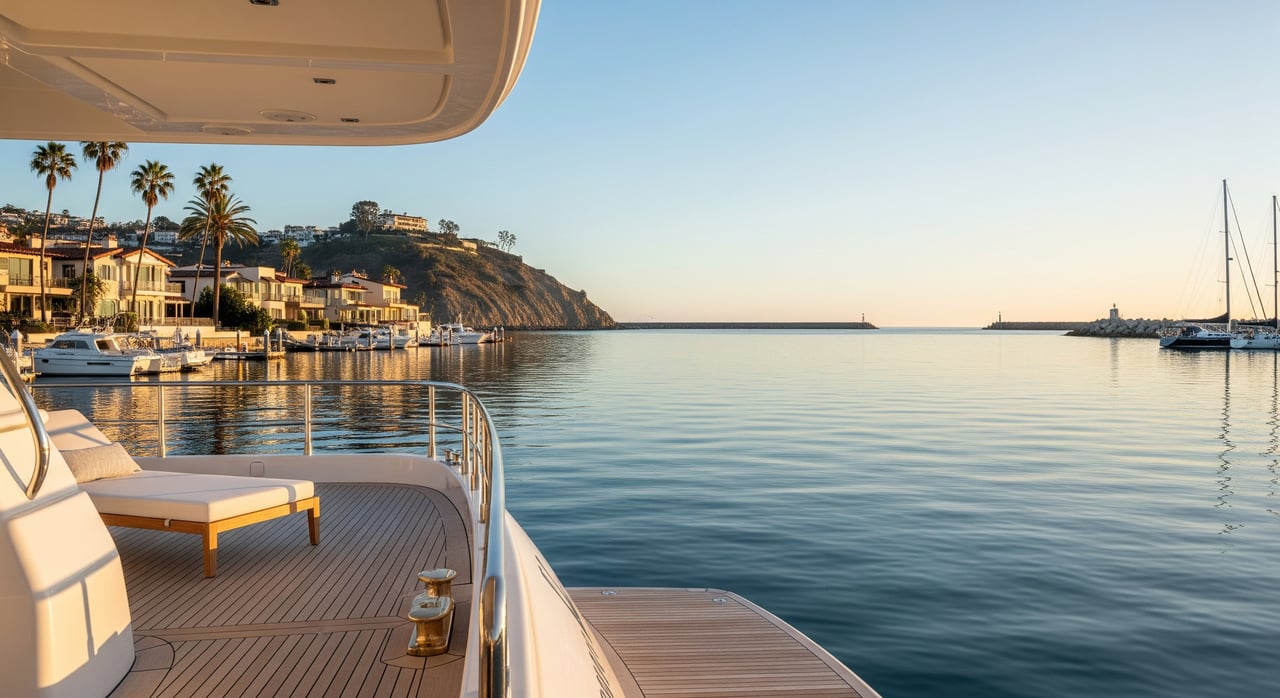
Do you picture your weekends starting at the dock and ending with sunset rides along the Orange County coast? If you are a boater considering a home near Dana Point Harbor, you likely want a clear plan for slips, storage, parking, and neighborhood fit. This guide breaks down what matters most for boat-owning buyers in Dana Point, so you can choose a home that supports your time on the water. You will learn how the harbor works, which nearby communities make boating simpler, and how to navigate waitlists and logistics. Let’s dive in.
Dana Point Harbor at a glance
Dana Point Harbor is a sheltered harbor with quick access to open water, which makes it a favorite for sailing, day cruising, sportfishing, and whale-watching trips. You will also find paddleboarding and kayaking close to shore, with easy routes to nearby dive and surf spots. The Catalina ferry runs from here as well, which is helpful for day trips even when you leave your own boat at home.
Harbor operations are overseen by the City’s Harbor Department and Harbor Master, with safety and rules enforced by local harbor patrol units. As a boater, plan to follow local policies along with state and federal regulations.
Traffic ebbs and flows with the season. Summer and holiday weekends can bring heavier boat traffic, packed parking lots, and tight guest-slip availability. Major events, such as regattas or parades, can also affect near-term access and parking.
Marinas, clubs, and storage options
Marina types and slip choices
Marinas in and around the harbor include municipal and privately operated facilities. You will see two broad options:
- Leased slips managed by a municipality or by a marina operator with defined rules and terms.
- Private marinas that may offer different transfer, sale, or lease models for assigned slips.
Most marinas maintain a mix of long-term leased slips and transient guest slips for short stays. Availability shifts with season and demand.
Yacht clubs and community value
Dana Point has an active yacht club scene and organized boating groups. Beyond social events and racing calendars, these clubs can be valuable for local knowledge, education programs, and connections that help you understand slip availability and best practices in the harbor. If you are new to the area, a club can offer immediate community and insight.
Dry storage and mooring alternatives
Dry-stack storage and land-based storage are common in South Orange County. These are popular for smaller powerboats and center consoles because they reduce slip dependence and minimize hull maintenance. Moorings may also be available in a managed field with separate rules and waitlists from slips. If a wet slip is hard to secure, these options can be practical and cost‑effective alternatives.
On-site services that matter
You can expect fuel docks and public pump-out stations, which help you meet environmental rules. Plan ahead for haul-out and maintenance needs, since full-service boatyards often book in advance. Charter fleets, sportfishing, whale-watching operators, and paddleboard rentals create a service-rich environment, though they can add traffic on peak days.
Where to live for easy harbor access
Harbor-front and Lantern District
If your priority is walk-on access to your boat, focus near the harbor-front and the Lantern District. You will find a mix of condos, lofts, and walkable streets with restaurants and shops. The tradeoff is limited space for trailer storage and the hustle of a lively waterfront, especially on weekends.
Adjacent residential pockets
Immediately around the harbor are lower-density single-family streets and small condos or townhomes. These areas are close enough for quick drives to your slip or the launch ramp. If you tow, you may find these pockets more practical for loading, rinsing, and storing gear.
Coastal neighbors within a short drive
Monarch Beach, Salt Creek, and Capistrano Beach sit a short drive away. These neighborhoods vary by price point and community style, including some resort or HOA settings. Many buyers like the balance of quieter residential living with a fast harbor commute.
Housing types and HOA rules
- Condos and harbor-view apartments offer the shortest walk to the water. Review HOA rules for trailer or overnight parking limits.
- Single-family coastal homes may allow more driveway or garage storage but can be subject to local street parking rules.
- Townhomes and small multifamily add inventory variety. Always verify covenants and any permit needs for boat or trailer parking.
Slip waitlists, costs, and rules
How berthing rights are allocated
You will see several models as you shop:
- Leased slips with municipal or operator contracts.
- Assigned or ownership-style slips inside some private marinas.
- Moorings with stand-alone rules and their own waitlists.
- Dry-stack or trailer storage rented seasonally or annually.
Each option has different terms for transfer, insurance, and fees. Review documents in writing before you commit.
Understanding waitlists
Wait time depends on slip size, location in the harbor, demand, and turnover. Premium large slips often take the longest. The typical process involves an application, deposits, proof of insurance and registration, and periodic renewal to keep your place in line.
To reduce risk, add your name to multiple lists across municipal and private marinas. Join local clubs and stay in touch with marina staff. Keep an eye on private slip assignment or resale opportunities, and consider moorings or dry-stack storage as a bridge solution.
Cost drivers and recurring fees
Expect fees to vary based on slip length and beam, utilities, security and amenities, and marina brand or operator. Plan for recurring slip or lease charges, utilities, possible dockage taxes or assessments, and occasional transient fees if you visit other marinas. One-time costs can include deposits, club initiation if applicable, or transfer-related expenses in private marinas.
Most facilities require proof of liability and hull insurance with defined minimums. Liveaboard slips, if allowed, can require added documentation and inspections.
Liveaboard, security, and environmental compliance
Liveaboard policies vary and are often capped. Security can include gated docks, keycard access, CCTV, and staff patrols. For environmental compliance, use pump-out stations and handle waste properly. These rules are enforced by local authorities in addition to state and federal regulations.
Smart homebuyer tradeoffs for boaters
Balancing your boating style with daily life is key:
- Walkability vs. towing. Harbor-front homes simplify walk-on access yet usually limit storage. If you tow often, a home a short drive away with better parking may serve you better.
- Noise and congestion. Lively harbor-front areas can be busier on weekends and during events. If you prefer quieter streets, look slightly inland or in gated communities.
- Parking dynamics. Seasonal traffic impacts street and lot availability. Plan for guests and secondary vehicles on peak days.
- HOA covenants. Confirm trailer and overnight parking rules before you buy. Do not assume you can park a trailer on the street.
Your pre-purchase boating checklist
Use this checklist to keep your search focused and efficient:
- Confirm whether a slip is included, available, or waitlisted. Get lease or transfer terms in writing.
- Match slip size to your vessel. Confirm length overall and beam limits, plus low-tide depth.
- Check access and headroom for sailboats, including any bridge or gate clearances.
- Verify utilities and services. Confirm power pedestal amperage, potable water, pump-out access, fuel, and haul-out scheduling.
- Review trailer parking options. Note HOA rules and any municipal storage programs.
- Request a sample slip agreement. List all recurring fees, assessments, and transfer costs.
- Obtain the marina’s insurance requirements. Consider a vessel survey or haul-out before finalizing an agreement.
- Study neighborhood patterns. Check noise levels, event calendars, and how parking is enforced.
- Ask about storm procedures. Learn who is responsible for assets and movements in severe weather.
Day-to-day access tips
Align your boating routine with local patterns. Arrive early on summer weekends to secure parking and smoother dock access. If you plan to host guests, build extra time for traffic and loading. For island getaways when your boat stays put, the local ferry provides a reliable option to Catalina that keeps your slip free.
Work with a local strategist
Choosing the right home as a boater means matching your slip strategy, storage, and access with a neighborhood that fits your lifestyle. Our team brings a negotiation-first approach, deep coastal Orange County expertise, and a white-glove process that streamlines due diligence on HOA rules, parking, and marina logistics. If you are weighing harbor-front convenience against towing flexibility, we can help you compare options and move confidently when the right property appears.
Ready to explore Dana Point Harbor communities with a plan that protects your time and investment? Connect with the Carter Kaufman Team to book an appointment.
FAQs
How do slip waitlists work in Dana Point?
- Wait times vary by slip size, location, and demand. Apply to multiple municipal and private marinas, renew your spot as required, and consider moorings or dry-stack storage while you wait.
What neighborhoods should I consider if I tow my boat?
- Look just beyond the harbor-front in adjacent single-family pockets or nearby areas like Monarch Beach, Salt Creek, or Capistrano Beach for easier driveway or garage storage and quick drives to the ramp.
Are there dry-stack or land-based storage options near the harbor?
- Yes. Dry-stack and on-land storage are common in South Orange County and work well for smaller powerboats, reducing slip dependence and hull wear.
Can I live aboard my boat in Dana Point Harbor?
- Liveaboard policies vary by marina, and spaces are limited. Confirm current rules, inspections, and insurance requirements with the specific marina or Harbor Master before making plans.
What are good alternatives if I cannot secure a slip right away?
- Consider moorings, dry-stack storage, trailer boating from nearby ramps, or renting transient slips for short stays while you remain on waitlists.
How do I verify HOA and parking rules before I buy a home?
- Request HOA documents early in your search and review municipal codes. Confirm trailer, overnight, and guest parking policies in writing to avoid surprises after closing.